
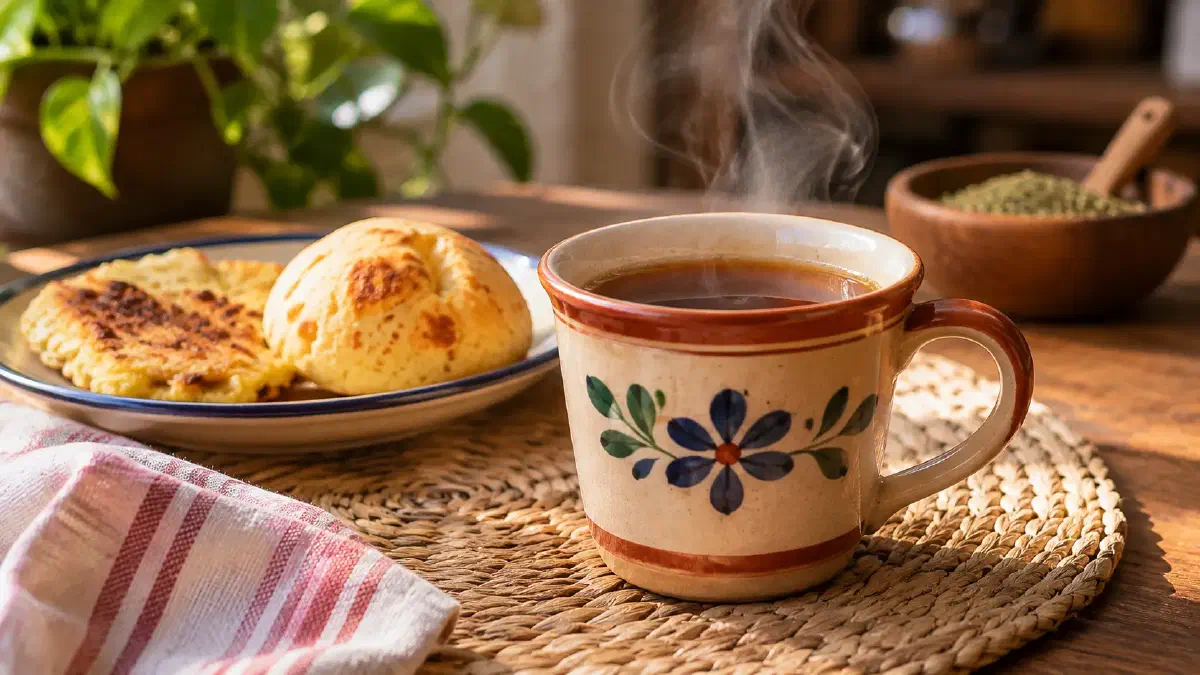

A warm cup of Cocido for breakfast, with a Chipa or a freshly made Mbejú on the side. For many people in Paraguay, it’s a familiar combination, whether at home or on the go.
But there’s more to this yerba mate drink than a simple infusion. With Cocido quemado in particular, the traditional preparation gives it its distinctive caramel and toasted flavors. So what makes it different from regular Mate Cocido? And how can you make it yourself?
- Mate Cocido is a hot drink made from yerba mate. Unlike with Mate and Tereré, the yerba is strained out before drinking.
- Cocido quemado gets its distinctive flavor from caramelized sugar and heated yerba, traditionally also using glowing charcoal.
- With or without milk: Cocido is served plain (negro) or with milk (con leche).
- Cultural heritage: Traditional Paraguayan Cocido has been recognized as national intangible cultural heritage since October 9, 2026.
What is Mate Cocido?#
Mate Cocido, usually called simply Cocido, is a hot drink made from yerba mate (ka’a in Guaraní). Unlike traditional Mate, the brewed yerba is strained out before drinking.
One well-known variety is Cocido quemado. To make it, sugar is caramelized and the yerba is briefly toasted with it. Traditionally, glowing charcoal is also used for this. Today, you can just as easily make Cocido quemado in a pot on the stove.
In Paraguay, you may also hear Cocido called kojói, sometimes spelled coyói. The name refers especially to Cocido quemado, made with yerba mate and caramelized sugar.
Mate Cocido also differs from Mate (ka’ay in Guaraní) and Tereré in how the yerba is prepared and how the drink is consumed. Mate and Cocido are prepared hot, while Tereré is made with cold, usually ice-cold water. With Mate and Tereré, the yerba stays in the drinking vessel. The drink is sipped through a Bombilla, a drinking straw with a built-in filter.
Ka’ay he’ẽ means “sweet Mate.” Ka’a he’ẽ, on the other hand, refers to stevia, the sweet-tasting plant.
Cocido in everyday life in Paraguay#
Whether it’s for breakfast or Merienda, a light afternoon meal, Cocido is part of everyday life for many people. It’s served plain or with milk, often alongside something savory like Chipa, Mbejú, or Paraguayan tortillas. How strong, sweet, or milky it is depends on personal preferences and each household’s habits.
Cocido isn’t just made at home. You can also find it at small food stands, markets, and cafés. Although people drink Cocido year-round, it’s especially popular on cooler days. During the Paraguayan winter, a warm cup goes well with breakfast or makes a nice pick-me-up between meals.
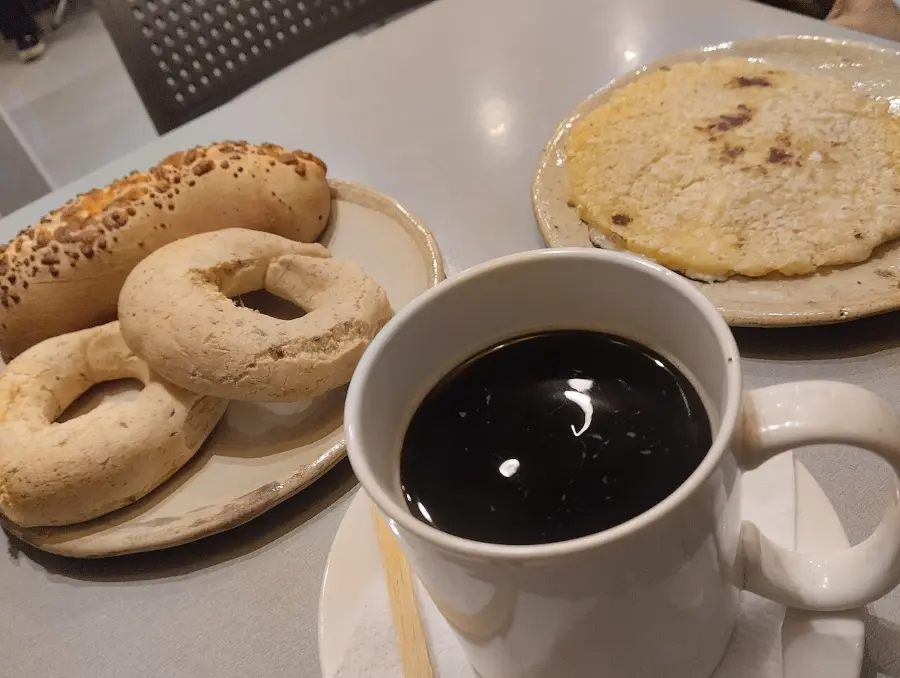
The way Cocido quemado is made also has a long tradition in Paraguay. The method using glowing charcoal in particular has been passed down through generations. It gives the drink its distinctive toasted flavor, often with a smoky note. Around Concepción, Cocido quemado is also known as “Asado de Concepción,” a reference to the smoke in the early morning.
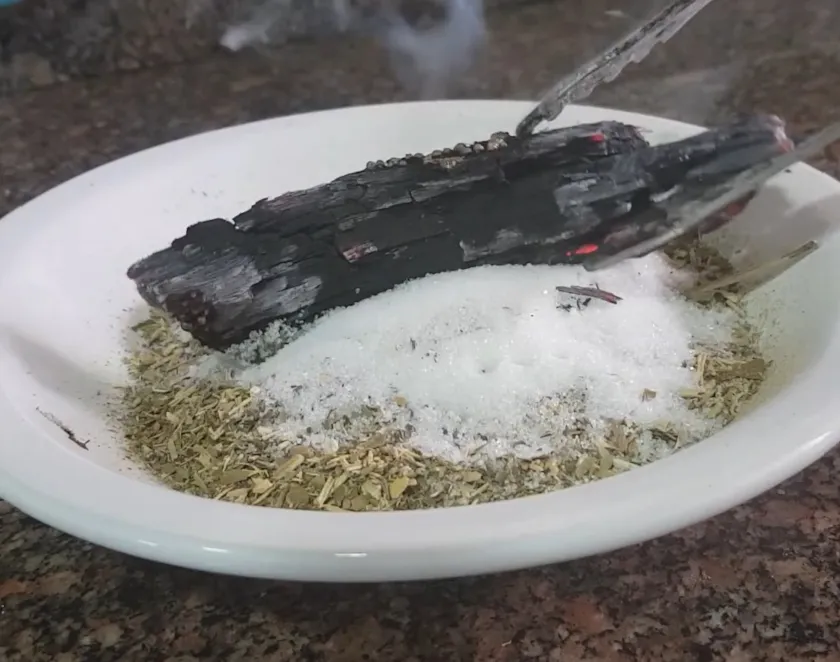
On October 9, 2026, Paraguay’s Secretaría Nacional de Cultura (SNC) declared Cocido Tradicional Paraguayo part of the country’s national intangible cultural heritage. The recognition honors the knowledge passed down through generations and the traditional preparation techniques, particularly the use of embers to make Cocido quemado.
What kinds of Cocido are there?#
Cocido comes in several forms. Some names describe how it’s prepared, while others describe how it’s served. These varieties can also be combined: A Cocido quemado can be served negro or con leche.
| Name | What does it mean? |
|---|---|
| Mate Cocido / Cocido | The general name for the drink made by brewing and straining yerba mate. |
| Cocido quemado | Sugar is caramelized and the yerba is heated, traditionally sometimes with glowing charcoal. This gives the drink its distinctive toasted and caramel flavors. |
| Cocido negro | Cocido without milk. It can still be sweetened. |
| Cocido con leche | Cocido with milk, ranging from a small splash to a much milkier version. |
In Paraguay, the name Cocido is also used for drinks made with other ingredients. Cocido manduví, for example, is made with peanuts, with or without yerba mate depending on the recipe. Cocido avatí is based on roasted, ground corn kernels. Both show that in Paraguayan cooking, the term Cocido isn’t limited to drinks made with yerba mate.
Besides loose yerba mate, Cocido is also available in tea bags (saquitos) or as an instant product. You steep the bag in hot water much like tea, while instant Cocido is stirred directly into water or milk.
You can also buy pre-roasted yerba for Cocido. Simply brew it and then strain it. If you want the distinctive flavor of Cocido quemado, it’s worth checking the product description. A regular Mate Cocido tea bag doesn’t necessarily contain roasted or caramelized ingredients.
How to make Cocido quemado at home#
You can adjust how strong or sweet your Cocido quemado turns out. The following basic recipe is a good starting point for experimenting.
🍲 Making Cocido quemado without embers#
Recipe at a glance
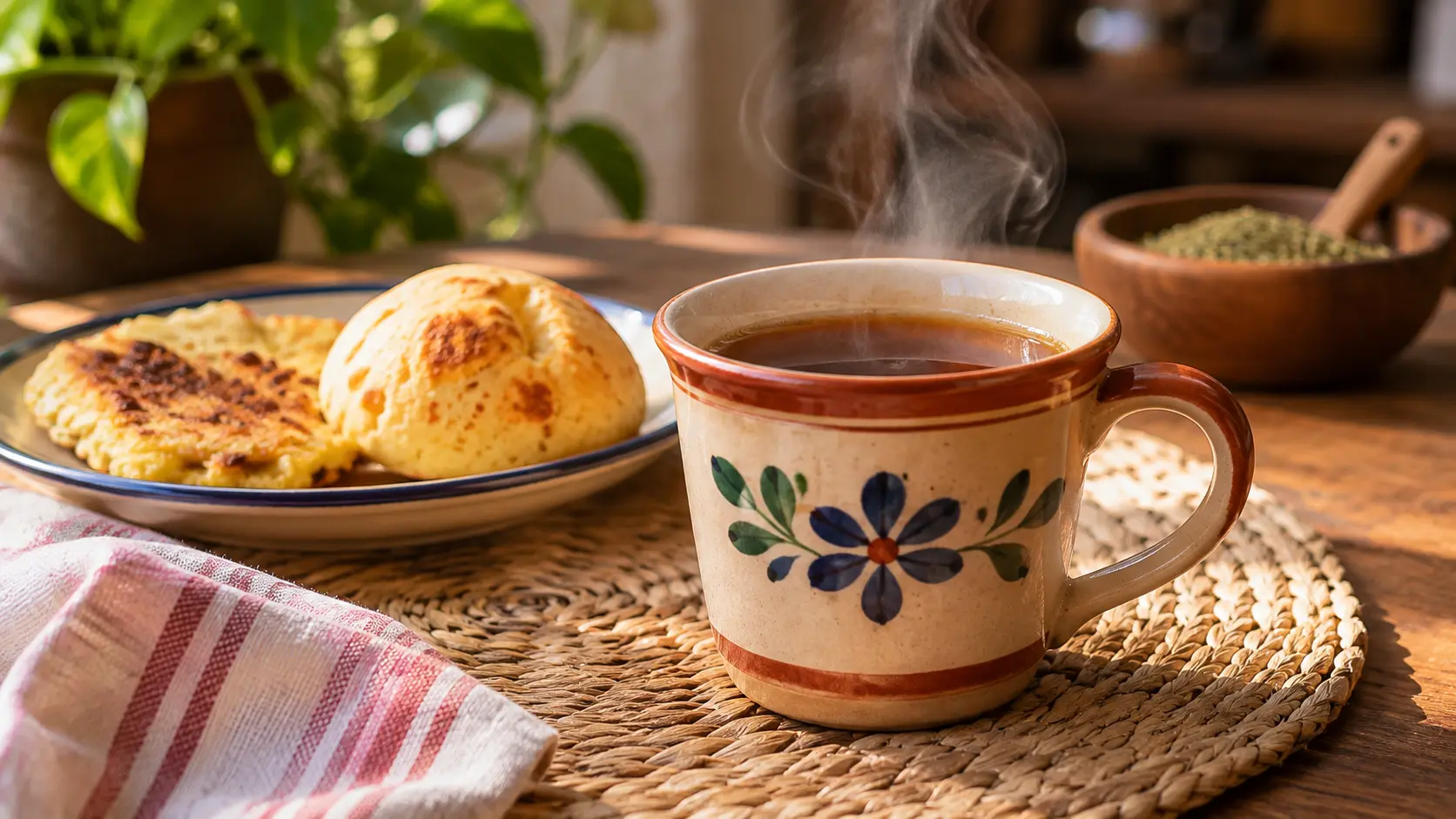
Easy Cocido quemado recipe
Caramelized sugar and briefly toasted yerba mate give this Cocido its distinctive flavor. You can easily make it in a pot without charcoal.
- Total time
- 15 minutes 15 min
- Servings
- ~4 cups (200 ml each)
- Difficulty
- easy
Ingredients
Makes ~4 cups (200 ml each):
- 1 liter of water
- 3 heaping tablespoons of yerba mate without added flavorings → use a little less for a milder Cocido
- 3 level tablespoons of sugar → adjust to taste; less sugar means less caramel flavor
- Warm milk to taste, optional
- A little orange peel or cinnamon, optional
Instructions
- Heat the water: Heat the water in a separate pot or electric kettle and keep it ready.
- Caramelize the sugar: Melt the sugar in a large enough pot over low to medium heat until it turns amber. Note: If the sugar gets too dark, the Cocido may taste bitter.
- Briefly toast the yerba: Add the yerba to the caramelized sugar and stir gently for just a few seconds. It should toast lightly without burning.
- Add the water: Remove the pot from the heat and add the water very carefully, a little at a time. Caution: Hot caramel can splatter and foam up. Keep a safe distance and don’t lean over the pot.
- Let it steep: If needed, heat the mixture briefly again and stir gently until the caramel dissolves. Then let it steep for about 2 to 3 minutes. Add a little orange peel or a cinnamon stick if you like.
- Strain and serve: Strain the Cocido through a fine-mesh strainer and serve hot. Drink it plain or add warm milk to taste.
🔥 The traditional method with embers#
This method often adds a slightly smoky note. Working with hot embers takes some experience and care.
First, put the yerba and sugar in a suitable heatproof container. Glowing charcoal or wood embers are used to heat the mixture until the sugar caramelizes and the yerba develops its toasted aroma. Water is then carefully added. After a short steeping time, the finished Cocido is thoroughly strained.
❓ Frequently asked questions about Mate Cocido#
What kind of yerba works well for Cocido?
You can use regular yerba mate for Cocido, such as a tradicional variety without added herbs or flavorings. You can also use compuesta, meaning yerba blended with herbs. This will change the flavor of the drink.
We also explain the different terms used on packaging in our Q&A about yerba for Tereré.
Can I make Cocido quemado without charcoal?
Can I make Cocido without sugar?
Yes. For a basic Mate Cocido, you can brew yerba mate in hot water and then strain it. Sugar isn’t necessary.
For Cocido quemado, however, caramelized sugar is part of the traditional preparation and plays an important role in its flavor.
Why does my Cocido taste bitter?
Yerba mate naturally has a slightly bitter taste. If your Cocido tastes unpleasantly bitter, the sugar may have become too dark during caramelization, or the yerba may have been toasted too much.
Heat the sugar only until it turns amber, then toast the yerba briefly. The amount of yerba also affects how strong the drink tastes.
Does Mate Cocido contain caffeine?
Is Cocido on UNESCO's intangible cultural heritage list?
No. Traditional Paraguayan Cocido was recognized as intangible cultural heritage at the national level on October 9, 2026.
The 2020 UNESCO listing, on the other hand, covers the traditional practices and knowledge associated with Tereré and Pohã Ñana.
Final thoughts: Cocido as part of Paraguay’s food culture#
Whether it’s made the traditional way with embers or simply on the stove, how Cocido is prepared and enjoyed varies from one family to another. That’s part of what makes it interesting.
If you try making Cocido quemado yourself, you can experiment with the amounts of yerba and sugar to find the combination you like best.
And what goes well with it? Try our Mbejú recipe. These cassava-and-cheese flatbreads are delicious straight from the pan and go wonderfully with a hot cup of Cocido. If you’d prefer another savory option, Paraguayan tortillas are also a good choice.
Was this article about Mate Cocido helpful? If so, I’d appreciate a like . And if you know someone who’d like to make Cocido at home, feel free to share this article with them.
More about everyday life and food culture in Paraguay:
- Día Nacional del Tereré: How to Join In, Customs, and Everyday Life
- Día Nacional de la Chipa: Chipa Day in Paraguay