
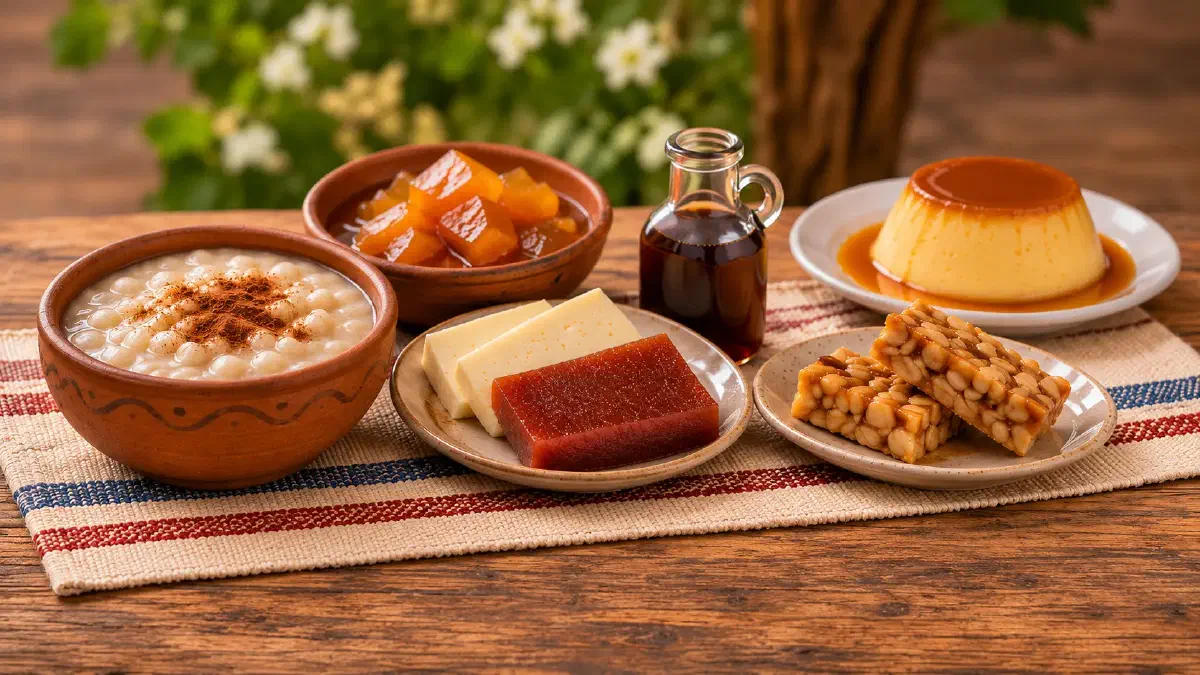

In Paraguay, dessert doesn’t have to mean cake or an elaborate presentation. Sometimes a piece of fresh cheese with something sweet on the side is enough. Other desserts made with corn, milk, or fruit have been prepared for generations.
Here you’ll find a selection of traditional Paraguayan desserts and other popular favorites. You’ll learn what makes each dish special and when to serve it. If you’d like to make one yourself, you’ll also find recipes for some of them.
When does a sweet dish become dessert?#
Not every sweet dish in Paraguay is served after lunch or dinner. Some are just as enjoyable between meals or as part of merienda, a small afternoon meal.
A sweet dish is simply something sweet to eat.
It becomes dessert when served at the end of a meal. In Spanish, dessert is called postre.
The word dulce is used for sweet preparations such as Dulce de Mamón, made from fruit cooked in syrup.
Traditional desserts#
In Paraguayan cooking, local specialties sit alongside desserts that are also known in other countries. Some take a little patience at the stove, while others can be put together in just a few steps.
With corn and milk#
Mazamorra / Kaguyjy: This traditional dessert is made with Locro, dried white corn. Mazamorra takes some patience: the corn usually needs to soak overnight and then simmer for a long time until the kernels are soft but still hold their shape. It is served warm or cold with milk and sugar or sugarcane syrup.
Arroz con Leche / Kamby Arró: You may already be familiar with rice pudding. It’s also a popular dessert in Paraguay. Here, it’s made with milk and sugar, often flavored with cinnamon or a little citrus zest. It tastes good warm or chilled, and it’s easy to make ahead. If you’re looking for something familiar and simple, it’s a good introduction to the sweeter side of Paraguayan cooking.
Kamby he’ẽ / Mbaipy he’ẽ: Cornmeal is also used to make desserts in Paraguay. With milk and sugar or sugarcane syrup, it becomes a thick, creamy cornmeal pudding, often flavored with a little cinnamon. The two names are sometimes used for the same dish, though recipes may differ slightly. Another version, Mbaipy hũ, gets its darker color from sugarcane syrup, with orange peel adding extra flavor.
With pumpkin, fruit, and cheese#
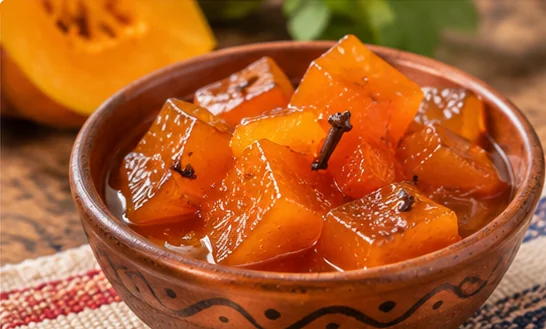
Dulce de Calabaza / Andai he’ẽ: For this traditional dessert, chunks of pumpkin are slowly cooked with sugar and spices such as cinnamon or cloves until they are tender and sit in a sweet syrup.
Two other pumpkin dishes with a mild sweetness are:
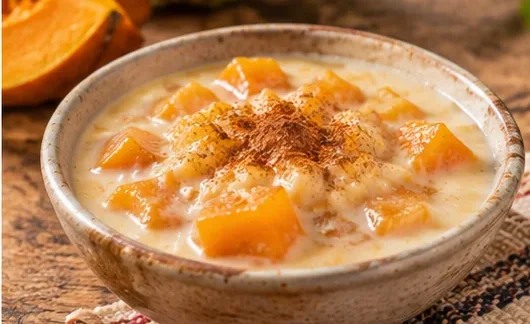
- Andai Kamby (Calabaza con leche): Cooked pumpkin is combined with milk and usually a little sugar. Depending on the recipe, the milk is added during preparation or poured over the pumpkin when it’s served.
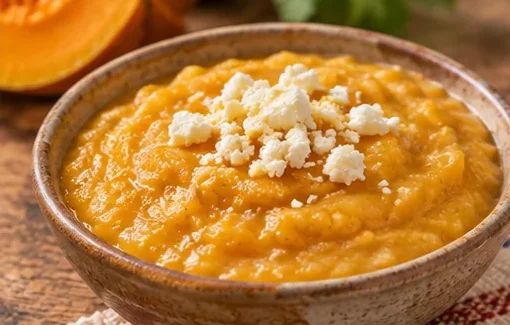
- Kivevé: Cooked pumpkin is mashed and thickened with cornmeal until creamy. Queso Paraguay adds a slightly savory note. Kivevé is served as a sweet dessert but also as a side dish.
Kosereva / Koserevá: This dessert is made with bitter oranges (Apepú), which also grow wild in Paraguay. What makes it different is the use of prepared orange peels rather than the juice. After soaking or boiling, the peels are cooked down with Miel de Caña (sugarcane syrup). The result is a dark, sweet dessert with visible pieces of peel and a slightly bitter orange flavor.
Dulce de Mamón: This dessert is usually made with firm, green papaya, called Mamón in Paraguay. The pieces simmer slowly in sugar syrup until they become slightly translucent but still hold their shape.
Fresh Queso Paraguay goes particularly well with the slightly bitter orange and the sweet papaya. Its mild, slightly salty flavor provides a pleasant contrast.
If you want something quicker, try these two simple cheese pairings:
Dulce de Guayaba with Queso Paraguay / Arasa Kesu: Cut firm guava paste – not spreadable guava jam – into slices and serve it with fresh cheese.
Queso Paraguay with Miel de Caña / Eíra Kesu: Pour a little dark sugarcane syrup over fresh Paraguayan cheese, and you have a simple dessert.
With peanuts and sugarcane syrup#
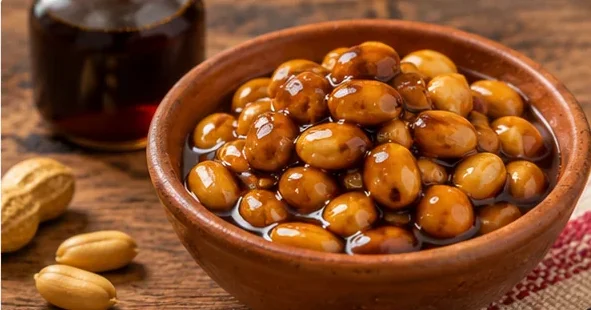
Maní con Miel de Caña / Eíra Manduví: Peanuts (maní) are mixed with dark Miel de Caña. They add a little crunch, while the syrup brings a rich, caramel-like sweetness.
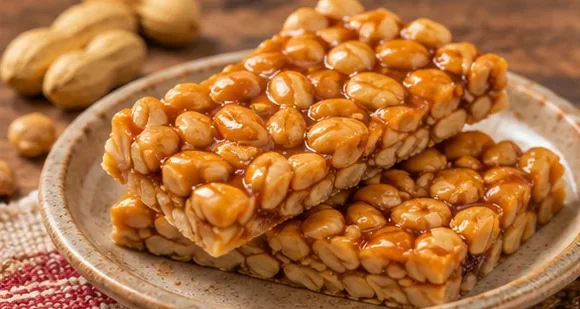
Dulce de maní / Ka’i Ladrillo: To make this traditional sweet, sugarcane syrup is cooked down and then mixed with roasted peanuts. The mixture is spread out flat and cut into pieces after cooling. These firm peanut bars are eaten as dessert but are also enjoyed as a snack between meals.
Where does the name Ka’i Ladrillo come from?
The name combines Guaraní and Spanish: Ka’i means “monkey,” and ladrillo means “brick.” The second part refers to the rectangular shape of the sweet. And the monkey? One folk explanation links the name to the native Ka’i Mirikiná because of its fondness for sweet foods.
Other popular desserts#
Alongside traditional sweets, creamy desserts, puddings, and chilled layered desserts are also popular in Paraguay.
Crema de leche / Leche crema: This dessert is common in Paraguay. It’s a sweet milk pudding thickened with starch, flour, or egg, depending on the family recipe. It’s often served chilled. Unlike Kamby he’ẽ, cornmeal isn’t a typical base.
Flan: This well-known caramel custard is made with milk and eggs and is usually served chilled. When you turn it out onto a plate, the caramel sauce runs over the smooth custard.
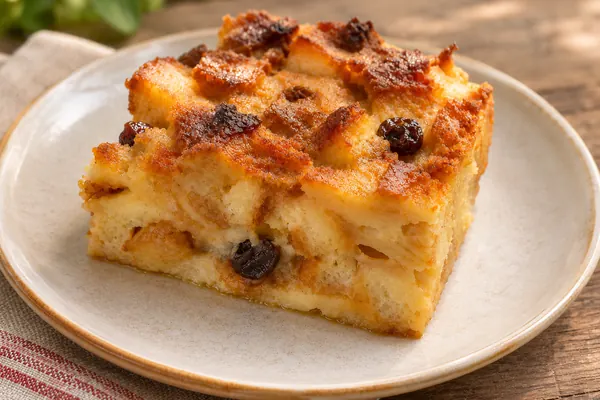
Budín de Pan: What can you do with bread that’s no longer quite fresh? You can turn it into a sweet bread pudding. The bread is soaked, then mixed with milk, eggs, and sugar. Some recipes also include raisins and caramel. The result is a simple, moist dessert made from leftover bread.
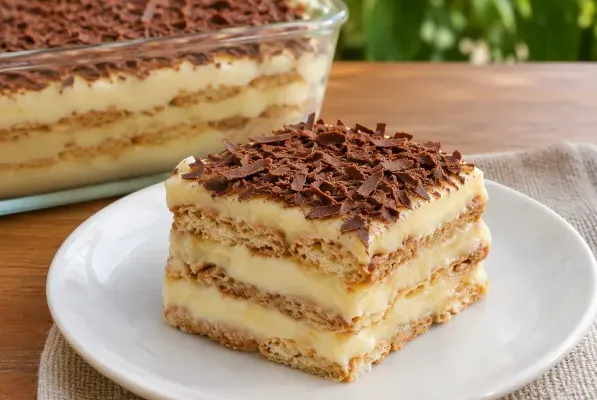
Pavé / Pavê: This chilled dessert has alternating layers of cookies or sponge cake and sweet cream. You can add chocolate, Dulce de Leche, or fruit, depending on your taste. Pavé is easy to make a day ahead, since the layers need several hours in the fridge to soften and the flavors to come together.
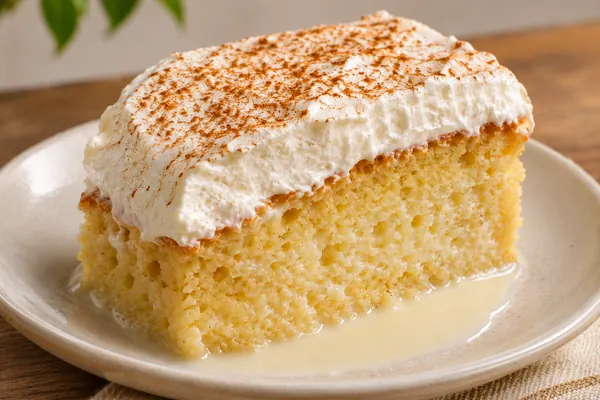
Torta Tres Leches: A light sponge cake is soaked in a mixture of three kinds of milk, making it especially soft and moist. Served well chilled, Tres Leches also works well as a dessert for family meals or celebrations.
- Mousse de Mburucuyá: Passion fruit, called Mburucuyá or Maracuyá in Paraguay, has a pleasantly tart flavor. Combined with sweet, airy cream, it makes a fruity dessert that contrasts nicely with the richer syrup-based sweets.
And of course, dessert doesn’t have to be elaborate: fruit salad (Ensalada de Frutas), ice cream (Helado), or gelatin dessert (Gelatina) can also provide a sweet finish to a meal.
Which dessert fits the occasion?#
Looking for the right dessert? Here are a few ideas:
- For a special meal or an evening for two
Mousse de Mburucuyá offers a fruity, tart flavor. If you prefer something mild and creamy, you can serve flan with caramel. - For family meals and celebrations
Torta Tres Leches and Pavé can be prepared ahead and work well when you have several guests. - When you want something quick
Dulce de Guayaba with Queso Paraguay or fresh cheese with Miel de Caña takes very little effort to serve. Fruit salad is another good option. - For a traditional Paraguayan dessert
Dulce de Mamón, Kosereva, or Mazamorra are good choices. You’ll need to allow a little more time to prepare them, though.
❓ Frequently asked questions about Paraguayan desserts#
What are some typical Paraguayan desserts?
Can you make Paraguayan desserts without an oven?
Is Miel de Caña the same as honey?
Final thoughts: Paraguayan desserts come in many forms#
Not every dessert that’s popular in Paraguay originated here. Alongside traditional specialties, desserts known in other countries have long been part of Paraguayan cooking, too. The selection ranges from fruit-and-cheese combinations that take moments to serve to desserts that require a little more time.
If you’d like to make a traditional dessert yourself, try Dulce de Calabaza. You only need a few ingredients and some patience while the pumpkin cooks down. You can find more sweet recipes in our Desserts & Sweets section.
Did you enjoy this overview of Paraguay’s desserts? I’d appreciate a like . And if you know someone who enjoys trying new sweet dishes, feel free to share this article with them.