
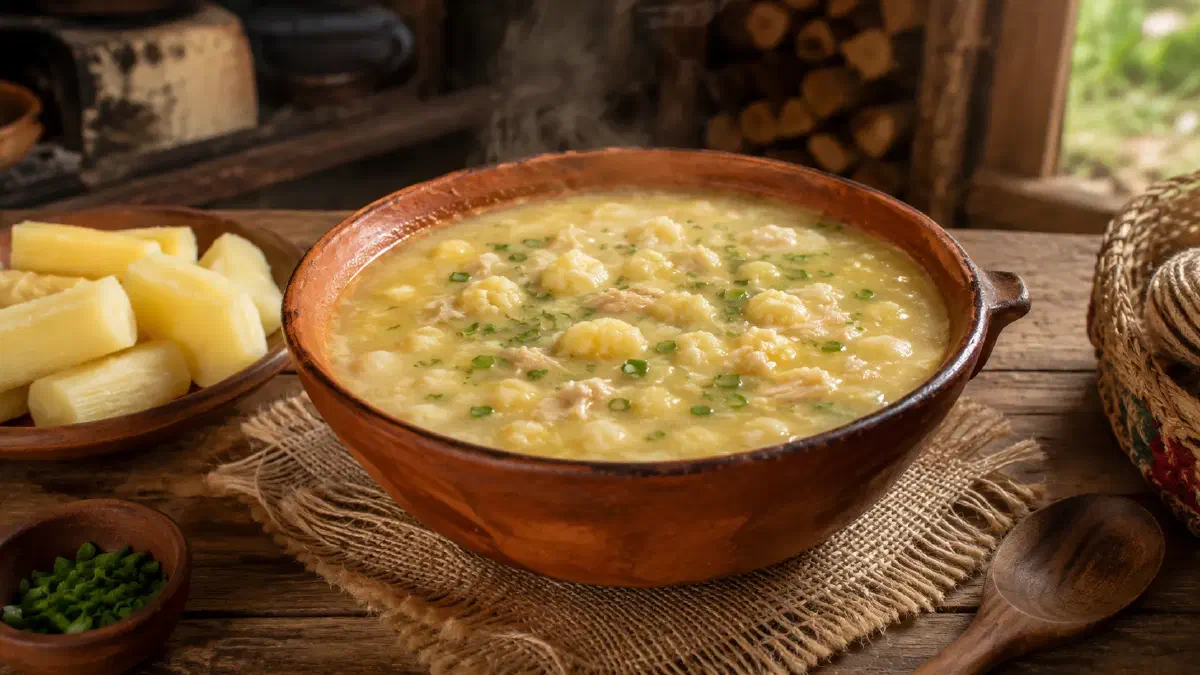

Vori Vori, also known as Bori Bori, is a typical soup from everyday Paraguayan cooking. At first glance, it looks simple, but it has become a small international favorite. A rich broth, tender chicken, vegetables, and small dumplings made from cornmeal and cheese: that is almost all you need for a warming meal on cool days.
In recent years, the soup has gained a lot of international attention. TasteAtlas has listed it several times among the best soups in the world. Since 2017, Vori Vori has also been part of Paraguay’s intangible cultural heritage. That makes this chicken soup with corn dumplings one of the country’s best-known dishes.
This Vori Vori recipe is therefore more than just a meal. It is a piece of Paraguayan identity and, at the same time, a popular winter dish in Paraguay. The soup is simple, filling, and easy to cook outside South America with just a few ingredients when you want something warm for fall or winter.
📝 Vori Vori Recipe – Step by Step#
At a Glance
- Difficulty: medium
- Preparation time: approx. 60 minutes (20 minutes prep, 40 minutes cooking time)
- Servings: 4 people
🛒 Ingredients for Vori Vori#
Main Ingredients for the Soup#
- 700 g chicken pieces (preferably thighs with bone for more flavor)
- 1.5 liters water or mild chicken broth
- 1 onion
- 1 tomato
- 1 red or green bell pepper (Locote)
- 1 carrot
- 250 g pumpkin or squash (Zapallo or Hokkaido)
- 1 to 2 garlic cloves
- 1 bay leaf
- 1 to 2 tbsp oil
- Salt and pepper
- 1 tsp dried oregano
- Parsley or green onion for serving
Main Ingredients for the Vori Dumplings#
- 180 g fine yellow cornmeal (not cornstarch!) (harina de maíz)
- 150 g Queso Paraguay
- approx. 100 to 150 ml hot broth from the pot
- 1 pinch of salt
Optional Ingredients#
- A small piece of beef with bone for more flavor
- A little cumin (Cumin) or chili (Ají) for more spice
Which Ingredients Can You Substitute?#
Ingredient Alternatives and Dietary Options
- Substitute Queso Paraguay: Use a mixture of mild feta or farmer’s cheese and young Gouda (50:50). Plain mozzarella is usually too mild, while very aged cheese can quickly overpower the soup.
- The right cornmeal: Use fine yellow cornmeal (for example from an Asian or Latin grocery store). Regular polenta is often too coarse, while cornstarch is too fine and can make the mixture gummy.
- Pumpkin or squash: Paraguayan Zapallo can be replaced very well with Hokkaido or butternut squash.
- Dietary options: The recipe is naturally gluten-free. For a vegetarian version, use vegetable broth and increase the amount of vegetables.
Kitchen Tools You Need#
- 1 large, heavy pot
- Cutting board and sharp knife
- 1 medium bowl for mixing the corn-cheese mixture
- Wooden spoon and soup ladle
👩🍳 Step-by-Step Preparation#
Preparation#
Pat the chicken pieces dry and cut them into smaller pieces if needed.
Do not remove the bones: They give the broth more flavor.
Finely dice the onion, garlic, tomato, and bell pepper.
Cut the carrot and pumpkin or squash into small, even pieces.
Crumble or grate the cheese finely.
The finer the cheese is, the smoother and more stable the dumplings will be.
Cooking Process#
Brown the chicken: Heat the oil in the pot. Brown the chicken pieces well until they take on some color. They do not need to be cooked through yet.
Sauté the vegetables: Add onion, garlic, tomato, and bell pepper. Cook for a few minutes until the vegetables become soft and translucent.
Add liquid: Add carrot, pumpkin or squash, and bay leaf. Pour in water or broth, season lightly with salt, and let it simmer gently over medium heat for about 30 to 40 minutes, until the meat is cooked.
Mix the Vori dough: Mix cornmeal, cheese, and a pinch of salt in a bowl. Scoop 100 to 150 ml of hot broth from the pot and add it to the bowl. Stir quickly with a spoon and, once the mixture has cooled slightly, knead it with your hands into a formable dough.
The hot broth makes the cornmeal swell immediately and helps it bind better.
Shape the dumplings: Roll the dough into small, walnut-sized dumplings.
If the dough is too dry, add a splash of broth. If it sticks, add a little cornmeal.
Cook the dumplings: Reduce the heat until the soup is only gently simmering. Carefully slide the dumplings into the soup and let them cook for 8 to 10 minutes.
Important: Do not stir during the first few minutes, or the dumplings may fall apart. If needed, gently shake the pot. When they float to the top, they are done.
Season and serve: Remove the pot from the heat, rub in the dried oregano, season with salt and pepper, and serve with parsley or green onion.
💡 Insider Tips for Success#
- Right texture: The dough should be neither dusty nor too wet. Add the broth little by little.
- Watch the size: Make the dumplings on the smaller side. They are easier to eat and cook more evenly.
- The soup thickens: Cornmeal binds strongly. If the soup becomes too creamy, add hot water little by little.
- The next day: Leftovers become very firm in the fridge. Add a little water or broth when reheating and warm slowly.
Nutrition Overview#
The average values are based on one serving, calculated for 4 servings:
| Nutrition | Per Serving |
|---|---|
| Calories | approx. 520 kcal |
| Protein | approx. 34 g |
| Carbohydrates | approx. 45 g |
| Fat | approx. 23 g |
| Fiber | approx. 6 g |
Note: The values vary depending on the chicken pieces used, with or without skin, and the type of cheese.
🍽️ What Goes Well with Vori Vori?#
As a winter soup from Paraguay, Vori Vori is already a complete and filling main dish. Still, in Paraguay, a small side often belongs on the table.
- The classic: Freshly boiled Mandioca (cassava) is traditionally served as a bread substitute.
- Everyday option: A piece of Galleta (a traditional, slightly dry round bread) or Coquito (dry small bread rolls or biscuits) to soak up the broth.
- Light: A simple green salad with vinegar-oil dressing balances the hearty soup.
- Classic: Still water or a cool fruit juice (Mosto).
- For cold days: A mild herbal tea or a hot Cocido (national tea).
Stomach tip: Do not drink ice-cold Tereré directly with the hot soup. The strong temperature change is not pleasant for everyone.
🔄 Well-Known Variations of the Recipe#
Paraguayan cooking is flexible. People cook with what the pantry or garden provides. That is why Vori Vori also has several variations:
- Vori Vori de Pollo: The classic and widely known version with chicken.
- Vori Vori de Carne: Made with beef, preferably with bone, such as shank, for a richer broth.
- Vori Vori Blanco: A light, mild version without tomato or strongly coloring vegetables.
- Vegetarian: Based on a rich vegetable broth with extra pumpkin or squash, carrots, leek, and celery.
- Quick everyday version: Made with chicken breast and ready-made chicken broth. Not fully traditional, but it saves a lot of time.
🇵🇾 Background Information About the Recipe#
Name and Spellings: Where Does “Vori Vori” Come From?#
Vori Vori, Vorí Vorí, Bori Bori, and Borí Borí all refer to the same soup in everyday use. The name comes from Guaraní, where the word “vori” means small balls or dumplings. In Guaraní, repetition can express plurality or repetition. So Vori Vori simply means “many small balls.”
The Culinary Foundation: What Makes This Soup Special?#
The dish is built on two basic ingredients of Paraguayan cuisine: corn (Avatí) and the usually mild, slightly tangy Paraguayan cheese Queso Paraguay. What makes it special is that the dumplings cook directly in the chicken broth. They release corn flavor and starch, giving the soup its typical creamy texture.
If “corn and cheese dumplings” makes you think of small dumplings in soup, gnocchi, or potato dumplings, Vori Vori may surprise you. The small Vori dumplings are firmer and more savory. Thanks to the fine yellow cornmeal, they keep a slightly grainy texture with a pleasant bite. The oregano is traditionally added only at the end and gives the soup its familiar Paraguayan aroma.
What Role Does Vori Vori Play in Everyday Life?#
Here in Paraguay, Vori Vori is a classic Paraguayan dish for cold days. While lighter meals dominate during the hot months, soups and stews are especially popular in the cooler season. This classic is also cooked when an uncomplicated family meal is needed or when leftover chicken or broth should be used.
Whether out in the countryside or in the city, this chicken soup is a regular everyday lunch dish, both in private kitchens and in simple Comedores (local eateries). Vori Vori is not a delicate starter soup. It is a hearty main dish made with simple ingredients that keeps you full for a long time. Anyone who wants to get to know authentic food in Paraguay will hardly get around this classic.
Cultural Meaning and International Attention#
In recent years, Vori Vori has become better known outside South America and is now seen by many as a typical soup from Paraguay.
In the TasteAtlas ranking of the world’s best soups, updated on September 15, 2026, Vori Vori once again holds first place with a rating of 4.7 out of 5. This marks the fourth consecutive year since 2023 that the Paraguayan soup has topped the list.
Within Paraguay, this attention is also being picked up in tourism and cultural policy. For example, there is the Guía del Vori Vori, an overview of restaurants that serve the dish. A Día Nacional del Vori Vori is also being discussed. In Asunción, April 14 is already connected with the dish in a culinary way.
In 2017, the traditional preparation and knowledge around Vori Vori, Sopa Paraguaya, Locro, and Jopará were recognized by the Secretaría Nacional de Cultura ↗ as part of Paraguay’s intangible cultural heritage. This shows how closely everyday cooking, daily life, and cultural identity are connected in Paraguay.
❓ Frequently Asked Questions About the Vori Vori Recipe#
Which cornmeal should I use for Vori Vori?
Can I make Vori Vori without Queso Paraguay?
Why do Vori dumplings fall apart while cooking?
Can I prepare Vori Vori ahead of time?
Yes. You can prepare the soup base with chicken, vegetables, and broth up to the step before adding the dumplings, then let it cool and store it in the fridge. The next day, reheat the soup and add the dumplings fresh to the pot.
I would shape the dumplings themselves only a few hours ahead at most and keep them well covered in the fridge. Overnight, they can dry out or become too firm because the cornmeal continues to absorb liquid.
How long can I store Vori Vori?
Is the traditional recipe gluten-free?
Can Vori Vori be cooked vegetarian?
What does the name Vori Vori mean?
Conclusion#
Vori Vori shows how simple basic ingredients can become a dish with a lot of flavor. This Paraguayan-style chicken soup does not require complicated steps, but it does need a little feel for the corn-cheese dough.
If you want to try a traditional soup from Paraguay, this Vori Vori recipe is a perfect starting point. It brings the simple, warming character of the country straight to your plate.
Have fun cooking and buen provecho!
Love warming soups on cool days? Try Soyo too, a traditional thick Paraguayan beef soup. You’ll find more ideas for cold days in our collection of Paraguayan winter dishes.
Share & Support
Did this traditional Vori Vori recipe inspire you? Then feel free to give this post a like and share it with other South America enthusiasts. Together, we can help make Paraguayan cuisine more visible.