

🍽️ What is Clericó?#
Clericó is a fruity, well chilled drink that appears again and again on the table in Paraguay, especially during the warm season and around family celebrations or other festive occasions. At its core, it is a mixture of many small pieces of seasonal fruit steeped in a base of wine or juice. Ice is added, and depending on taste, a little extra sweetness as well. In Paraguay, you will often also come across the spelling kleriko.
What I especially like about Clericó here is its uncomplicated nature. There is no strict rule for the ingredients. Every family uses whatever the garden or the local market currently offers and whatever they enjoy. The result is always colorful, refreshing, and a perfect balance between food and drink.
Do you want to try the recipe right away? Then jump straight to the recipe for Clericó:
Go directly to the recipe🇵🇾 The cultural tradition behind Clericó#
In Paraguay, Clericó is often served around Christmas and New Year. Since these holidays fall in the hottest phase of the Paraguayan summer, the need for something cooling is high. It is usually prepared in large bowls or pitchers and is the centerpiece of many festive tables.
Historical origin#
The Paraguayan version has deep roots in the local culture of hospitality. Historically, Clericó was often served in a kambuchi, a traditional clay vessel that keeps the liquid cool in a natural way. In the past, it was common to welcome guests right away with a cool glass of Clericó and a small sweet treat.
If you are interested in which holidays are especially important in Paraguay, take a look at this overview.
Importance in regional cuisine#
Clericó is much more than just a fruity drink - it is a piece of Paraguayan everyday culture. In regional cuisine, it holds a special place because it reflects what really matters here on hot days: refreshment enjoyed together. It is not a rigid cocktail, but an uncomplicated tradition whose greatest strength is its flexibility.
The classic is especially popular because it can be adapted effortlessly to any situation. Whether for a big family celebration or a spontaneous gathering with neighbors, Clericó always follows what the season, the budget, and the pantry currently provide. It does not require exclusive ingredients. A few ripe fruits, a base of wine or juice, and plenty of ice are enough to fill glasses with hospitality.
A closer look at the main ingredients#
Seasonal fruit as the foundation of the recipe#
The true soul of a good Clericó is the fruit. In Paraguay, sweet and juicy varieties are often used, the kind that still taste pleasant in the heat. Typical choices include banana, grapes, melon, pineapple, apple, orange, or peach. Which combination works best often depends on the season, availability, and personal taste.
- Pineapple & melon: Provide freshness and plenty of juice.
- Banana: Adds a soft sweetness, but should be added later.
- Citrus fruits: Oranges and limes bring the necessary acidity to balance the sweetness of the other fruits.
- Grapes, peach, pear: Add that special extra touch.
Other special ingredient(s)#
Besides the fruit, the liquid and the temperature play a major role.
Traditionally, Clericó is often mixed with sidra, red or white wine, or a similar base. In Paraguay, however, non-alcoholic versions with grape juice or similar fruity drinks are also common, especially when children or pregnant women are drinking along, or when alcohol is not desired.
Ice is almost always part of the serving process, because without enough chill, Clericó quickly feels heavy and less refreshing.
Recipe for Clericó - step by step#
At a glance#
Difficulty: Easy
Preparation time: about 20 minutes plus at least 30 minutes chilling time
Servings: about 6 glasses
📝 Main ingredients#
For a classic Clericó for about 6 glasses, you need:
- 1 small pineapple
- 2 apples
- 1 small piece of melon
- 2 bananas
- 150 to 200 g grapes
- Juice of 1 lemon or lime
- 750 ml to 1 liter white wine, rosé, sidra, or grape juice
- 2 to 4 tbsp sugar, only if needed
- plenty of ice cubes
It is better to use ripe, aromatic fruit than too many different varieties. A Clericó with a good fruit base usually tastes better than an overloaded mixture.
Optional ingredients#
Depending on style, taste, and what you have on hand, these also work well:
- Peach
- Orange without too much white pith, or a little orange juice
- Seasonal berries
- Pear
- Fresh mint
- A little sparkling water or mineral water
Sparkling water or mineral water makes the Clericó lighter. Add both only shortly before serving, otherwise the mixture quickly loses its freshness.
Substitutions#
Naturally adaptable
- Clericó is usually gluten-free, vegetarian, and also works very well without alcohol.
- For a vegan version, use vegan clarified wine or simply grape juice.
Adjust the fruit base
- No pineapple → use apple, pear, or more melon
- Banana too dominant → use peach or grapes instead
- Reduce acidity → use fewer citrus fruits, more melon and apple
Vary the liquid
- Instead of wine → grape juice, light fruit juice, or juice mixed with mineral water
- With sidra, white wine, or red wine → a more festive flavor
- With grape juice → milder and more family-friendly
Adjust the sweetness
- Ripe fruit often makes additional sugar unnecessary
- Lighter version → sweeten only a little or not at all
- Honey or syrup → a stronger flavor of their own than sugar
How ingredients change the character
- More melon → juicier and milder
- More apple → more bite
- More banana → sweeter and softer
- More citrus → fresher, but with more dominant acidity
Kitchen equipment you will need#
You do not need any special equipment for Clericó. That is one of the reasons why it works so well in everyday life.
- Cutting board
- Sharp knife
- Large bowl, punch bowl, pitcher, or wide-necked jug
- Spoon for stirring
- Measuring cup
- Refrigerator
- Glasses for serving
A bowl with a wide opening is often more practical than a narrow pitcher. It is easier to reach the fruit pieces and stir neatly.
👩🍳 Step by step preparation#
Preparation#
- Wash all the fruit thoroughly. Peel the pineapple and banana. If needed, remove the core, thick peels, and any tough parts.
- Cut everything into small, easy to eat pieces.
It is best to place the banana directly into a small bowl with lemon or lime juice right after cutting. This keeps it from turning brown too quickly.
Preparation#
First place the firmer fruits into a large bowl. Then add the grapes, and finally the bananas. If you are using sugar, sprinkle it over everything now and mix gently so the bananas do not get crushed. Let the fruit sit briefly so some juice can form.
Pour the wine, sidra, or grape juice over the fruit.
The biggest mistake is usually not the wrong fruit, but an unbalanced ratio. Too much liquid makes the Clericó thin, too little turns it into more of a fruit salad in a glass.
Chill the mixture for at least 30 minutes. Just before serving, add plenty of ice and stir gently once more. Do not stir too vigorously, otherwise soft fruits will break apart and the Clericó will quickly become cloudy and mushy.
Serve the Clericó well chilled in glasses, ideally with some fruit in each glass.
🔄 Variations of the recipe#
Vegetarian / vegan version#
The non-alcoholic version is not just a fallback option, it is genuinely delicious. Especially with good grape juice, apple, and pineapple, it creates a full, rounded flavor.
For a vegan version, use either grape juice or a wine that has been vegan clarified. Mint, a little lime, and plenty of ice go especially well with it.
If children are eating or drinking along, it is better to set out a large non-alcoholic bowl right away. That way there is no confusion.
Modern or creative interpretations#
Clericó can also be interpreted in a more modern way without losing its character. Lighter versions with less sugar, fresh herbs, or added mineral water are popular. Some prefer it with rosé instead of white wine, while others go for a completely non-alcoholic summer punch.
Possible ideas:
- Clericó with rosé and strawberries
- Light version with light grape juice and green grapes
- Very fresh version with mint and lime
- Light summer bowl with mineral water added just before serving
What goes well with Clericó?#
To round out your meal perfectly, here are a few ideas for side dishes and drinks that pair well with it.
- Meat: asado, grilled chicken, mildly marinated meat
- Chipa Guasu: savory, cheesy, and ideal as a contrast to the fruit
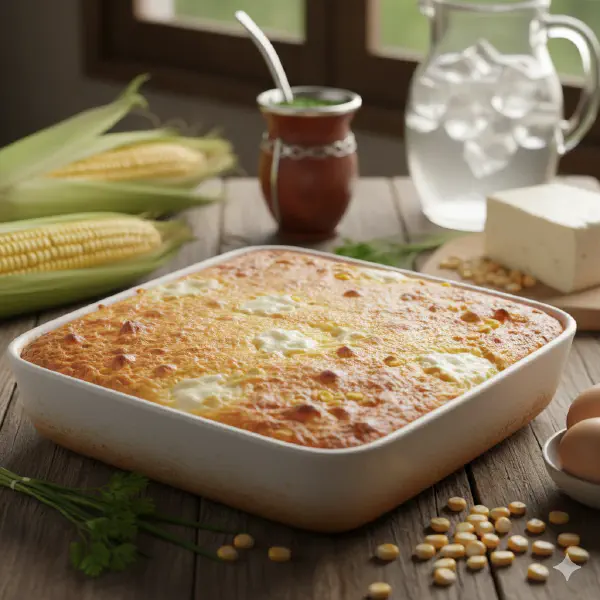
- Sopa Paraguaya: works well if the Clericó is not too sweet
- Mbejú: especially good if you want something more rustic
- Cold bites
- Pan dulce: especially fitting around Christmas and New Year
- Fruit cake or a simple sponge cake: for an easy coffee gathering
The more hearty the food, the fresher and less sweet the Clericó should be.
Since it is already very present on its own, mild seasonings and lighter side dishes work especially well with it.
- Cold mineral water: the best accompaniment when Clericó is served with alcohol
- Coffee after the meal: if Clericó is part of a longer holiday menu
- Non-alcoholic fruit soda: for guests who do not drink alcohol
- Tereré before or later, not at the same time: each has its own moment
Nutritional overview#
Rough estimate per glass (about 250 ml):
- Calories: about 140 kcal
- Protein: about 1 g
- Carbohydrates: about 18 g
- Fat: about 0 g
- Fiber: about 2 g
The nutritional values are average estimates and can vary significantly depending on the fruit, sweeteners, and liquid base used.
❓Frequently asked questions (FAQ)#
Can I prepare Clericó without alcohol?
Which fruit works best?
Should I use red wine or white wine?
How far in advance can I prepare Clericó?
Why do banana or apple turn brown so quickly?
Can I leave out the sugar completely?
Is Clericó suitable for children?
Can I still serve leftovers the next day?
Conclusion#
Clericó is one of those recipes that show just how relaxed and at the same time how hospitable Paraguayan cuisine can be. You do not need complicated techniques, a long ingredient list, or a perfect setup. Good fruit, cold temperature, a balanced liquid base, and a little instinct are often all it takes.
That is exactly why Clericó works so well for everyday life with a Paraguay connection. It brings festive atmosphere to the table right away without being demanding. And it gives you enough freedom to adapt it to the season, your guests, and whatever you have on hand.
Share & support
Did this traditional Clericó recipe inspire you and spark your curiosity about Paraguay? Then feel free to give the post a like and share it with other South America enthusiasts, helping make Paraguay’s culinary diversity more visible.