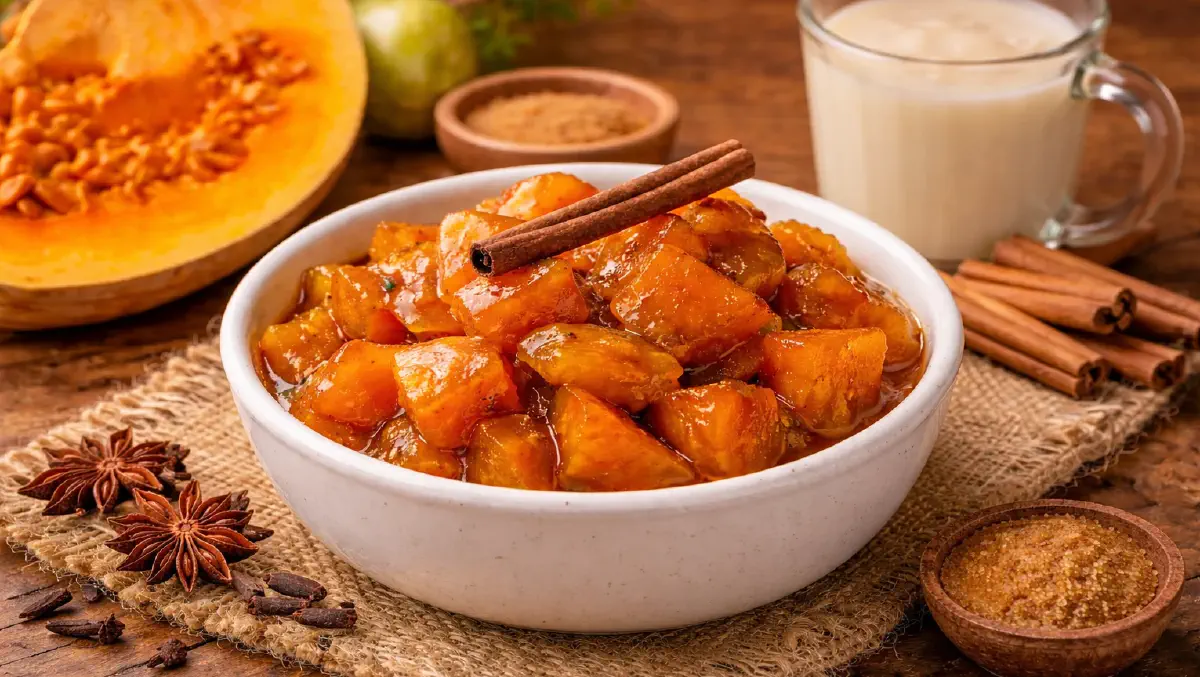
Sweet pumpkin symbolizes the down-to-earth, pragmatic cuisine of Paraguay. Few ingredients, simple preparation, and lots of flavor.
In our home, this recipe becomes a staple especially after a good pumpkin harvest. And this year, thanks to the heavy rain, it’s one of those years again. Pumpkins as far as the eye can see… In years like this, I’m always looking for ways to preserve and creatively use pumpkin – and this is where this dish truly shines.
🍽️ What is Sweet Pumpkin?#
Sweet pumpkin, in Spanish “Dulce de Calabaza” and in Guaraní “Andai he’ê”, is a traditional dessert from Paraguay. Pumpkin is slowly simmered with sugar and spices until it becomes a syrupy, aromatic mixture.
In Paraguay, things are often very sweet – I learned that quickly. 😉 And anyone who has been here will confirm it: it can never be sweet enough! For European palates, this may sometimes feel unusual, especially if you don’t have a strong sweet tooth.
But the beauty of this recipe: you can adjust the sweetness entirely to your own taste.
That’s why I don’t want to withhold this dish from you. Try it and let yourself be inspired!
Would you like to try the recipe right away? Jump to Recipe!
🇵🇾 The Cultural Tradition Behind the Recipe “Sweet Pumpkin”#
Historical Origin#
Pumpkin – alongside corn, cassava, peanuts, and beans – is one of Paraguay’s traditional staple foods. Long before sugar was industrially available, pumpkins were preserved by drying or cooking them down.
With the availability of sugar, today’s Dulce de Calabaza developed, especially appreciated during festivities or as a sweet side dish.
Importance in Regional Cuisine#
In Paraguay – especially in rural areas – nothing goes to waste. Since pumpkins often grow in large quantities in home gardens, cooking them down into a “dulce” is a wonderful method of preservation.
Sweet pumpkin is also:
- affordable
- quick to prepare
- filling
- easily scalable and therefore perfect for spontaneous guests
- loved by children
- versatile
These positive qualities reflect the fundamental pillars of Paraguay’s simple and honest cuisine. No wonder this recipe is so popular not only in Paraguay, but beyond!
Taking a Closer Look at the Main Ingredients#
Pumpkin – The Foundation of the Recipe#
Pumpkin is a true all-rounder in Paraguay. It grows easily – lots of sun, some water, and fertilizer (for example cattle manure) are usually enough. It also keeps well for a long time when unprocessed.
Its uses are versatile: from savory dishes (traditional bean stew with cheese, oven-baked pumpkin fries) to sweet dishes like this one – pumpkin is a true staple food here in Paraguay.
Typical varieties in Paraguay include:
- A “snake pumpkin”: a long, usually green-harvested pumpkin (similar to butternut and particularly suitable for this dish)
- Green muscat pumpkin
- Round orange pumpkin (similar to Hokkaido, but usually peeled and ideal for stews)
I don’t know the exact names, as Paraguay is a very pragmatic country. Here, it’s simply the green one or the orange one.
Tip: The riper the pumpkin, the more intense its natural sweetness. That saves sugar.
Health Check: What’s Inside Pumpkin?#
Pumpkin offers, among other benefits:
- low in calories and fat
- rich in fiber
- high in beta-carotene
- vitamin A (good for the eyes), as well as C and E
- minerals such as potassium and iron
Nutritional Overview (per 100 g raw pumpkin, source: USDA FoodData Central):
| Nutrient | Amount |
|---|---|
| Carbohydrates | 6.5 g |
| Fiber | 0.5 g |
| Vitamin A | 426 µg |
| Vitamin C | 9 mg (approx. 15% of recommended daily intake) |
| Potassium | 340 mg |
| Magnesium | 12 mg |
| Calcium | 21 mg |
| Iron | 0.8 mg |
The fiber supports healthy digestion, promotes long-lasting satiety, and helps maintain a more stable blood sugar level – a nice balance to the sweetness of the recipe. At the same time, the vitamins and minerals support the eyes, immune system, skin, and blood pressure regulation. Beta-carotene acts as an antioxidant, protects cells, and may help prevent cardiovascular diseases.
Conclusion: Pumpkin is naturally low in calories and fat, provides fiber, and delivers beta-carotene (a precursor of vitamin A) plus important micronutrients. Pumpkin is therefore not only versatile and delicious, but a true superfood that beautifully combines enjoyment and nutritional value.
Note: These values refer to raw pumpkin. In the finished “Dulce de Calabaza,” the nutritional values change significantly – especially due to the added sugar and cooking process.
Additional Special Ingredients: Spices#
Spices such as cinnamon and cloves give sweet pumpkin its characteristic aroma. Vanilla or star anise are also commonly added.
Properties#
- Cinnamon: warming, slightly sweet
- Cloves: intense, slightly sharp
- Sugar: preserving & caramelizing
Tip: Don’t use too many cloves – they quickly dominate the flavor.
Recipe for Sweet Pumpkin – Step by Step#
- Difficulty: Easy
- Preparation time: approx. 90 minutes (1.5 hours)
- Servings: as a side dish (50–60 g / 2–3 tablespoons) approx. 10 servings
📝 Main Ingredients#
- 1 kg pumpkin (peeled & diced)
- 450 g sugar (adjust to taste)
- 3 cloves
- 1 cinnamon stick
Note: Use Ceylon cinnamon instead of Cassia – it is considered milder in flavor.
- 1 cup water ~ 150–200 ml water
The amount of sugar can vary depending on taste. Paraguayans love it sweet. Feel free to experiment.
Update: Currently I use 2 kg pumpkin (raw) with 500–600 g sugar. The remaining ingredients stay the same.
Optional Ingredients#
- Shredded coconut and/or bourbon vanilla (for a tropical touch)
- Chopped nuts, star anise, or cardamom (for a winter note)
Substitutions#
Natural properties (from the base recipe)
- Naturally gluten-free (pumpkin contains no gluten).
- Naturally vegetarian and vegan (as long as you don’t serve it with milk/ice cream).
- Lactose-free if eaten plain or with plant-based milk.
Sweetener alternatives
- Cane sugar / Panela / Piloncillo / Jaggery: similar sweetness, often more caramel flavor; darker color.
- Coconut blossom sugar: malty-caramel flavor, darker color, stronger aroma.
- Erythritol (partially replacing): about 70% sweetness, may create a cooling effect; can become crystalline in large amounts and may cause digestive discomfort in sensitive individuals.
- Date paste / date syrup (partially): naturally sweet, fruity-caramel; often thickens the mixture.
- Simmering a ripe banana (extra tip): adds sweetness + binding; fruitier flavor.
Liquid – Aromatic variations
- Orange juice (partially instead of water): fruity note, more aromatic syrup.
- Apple juice (partially): milder than orange, slightly caramel-like.
Pumpkin substitutes
- Butternut / Muscat pumpkin: excellent for simmering, keeps shape well.
- Hokkaido: practical (skin can remain), becomes soft and smooth.
Required Kitchen Tools#
- Large pot
- Wooden spoon
- Knife
- Cutting board
👩🍳 Step-by-Step Preparation#
Preparation#
- Prepare the pumpkin: Wash, peel (except Hokkaido), and cut into coarse cubes.
💡 Don’t throw away the seeds! They are true superfoods rich in fiber and nutrients. Remove remaining pulp, rinse, dry, and roast in the oven – perfect snack!
Cooking Process#
Into the pot: Place pumpkin cubes together with sugar, cloves, cinnamon stick, and water into the pot.
Simmer: Let simmer on low to medium heat for about 1 to 1.5 hours. The water slowly evaporates and a thick syrup forms. Stir occasionally – especially towards the end to prevent burning.
Finish: Let cool and remove cinnamon and cloves before serving.
Store in the refrigerator – theoretically keeps several days. In practice? Ours is gone before that. 😄
🔄 Recipe Variations#
With Meat or Fish#
Using meat or fish directly in sweet pumpkin is rather uncommon.
However, Paraguayans enjoy combining sweet and savory – especially during celebrations:
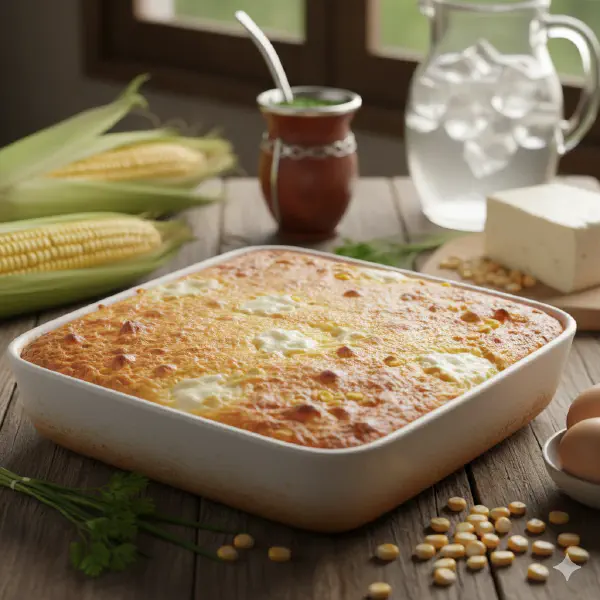
- Adding sweet pumpkin to Sopa Paraguaya batter (a type of corn bread).
- Empanadas filled with sweet pumpkin and cheese.
- Served as a side to grilled meat (Asado).
Vegetarian / Vegan Version#
The base recipe is already vegetarian and vegan. Simply choose plant-based milk or ice cream alternatives when serving.
Modern or Creative Interpretations#
- Filling for crêpes or empanadas (especially with cheese!)
- Topping for yogurt or muesli
- Cheesecake topping
- Blended as pumpkin jam
What Goes Well with Sweet Pumpkin?#
- Classic: Served plain with a splash of cold milk – wonderfully refreshing!
- Breakfast: As a topping on muesli or yogurt.
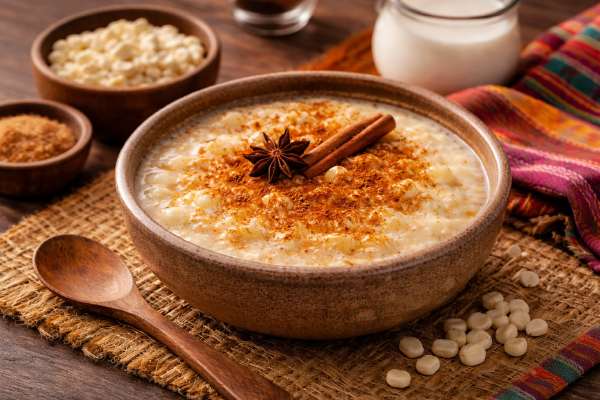
- Dessert: Perfect with vanilla ice cream or rice pudding / Mazamorra.
- Creative: As a chutney-style side for Asado (grilled meat).
Personally, I enjoy it most in the morning with muesli – sweet with a slight savory touch and very filling. Usually 2–3 tablespoons (50–60 g) are enough. This keeps it an aromatic addition without a sugar overload.
- Traditional: Strong Cocido (Paraguayan tea made from yerba mate and sugar)
- Coffee Both balance the sweetness perfectly.
- Refreshing: Cold milk
Nutritional Overview#
- Serving size: approx. 60 g (≈ 2–3 tablespoons)
- Calories: approx. 95–110 kcal
- Protein: approx. 0.4 g
- Fat: approx. 0.05 g
- Carbohydrates: approx. 24–27 g
- Fiber: approx. 0.3 g
All values are estimates and may vary depending on pumpkin variety, sugar quantity, and cooking time.
❓ Frequently Asked Questions (FAQ)#
Which pumpkin variety works best?
How long does sweet pumpkin last?
Can I reduce the sugar?
Do I need to add water?
Can I eat the skin?
Can I use it as jam?
Can I freeze it?
Conclusion#
Dulce de Calabaza is more than just a dessert – it’s a piece of Paraguayan joy in a jar. It’s quick to make, healthy, filling, and brings variety to your kitchen. I was surprised how quickly the bowl was emptied during our breakfast!
Enjoy cooking and “buen provecho”!
Share & Support
Did this traditional Chipa Guasu recipe inspire you and spark your curiosity about Paraguay? Then feel free to like and share it with other South America enthusiasts – and help make Paraguay’s culinary diversity more visible.